We have been handed a technology with the potential to transform how work gets done.
AI could eliminate administrative drudgery, expose broken processes, improve customer experiences, and give employees more time to solve meaningful problems. Its impact may eventually rival the Industrial Revolution.
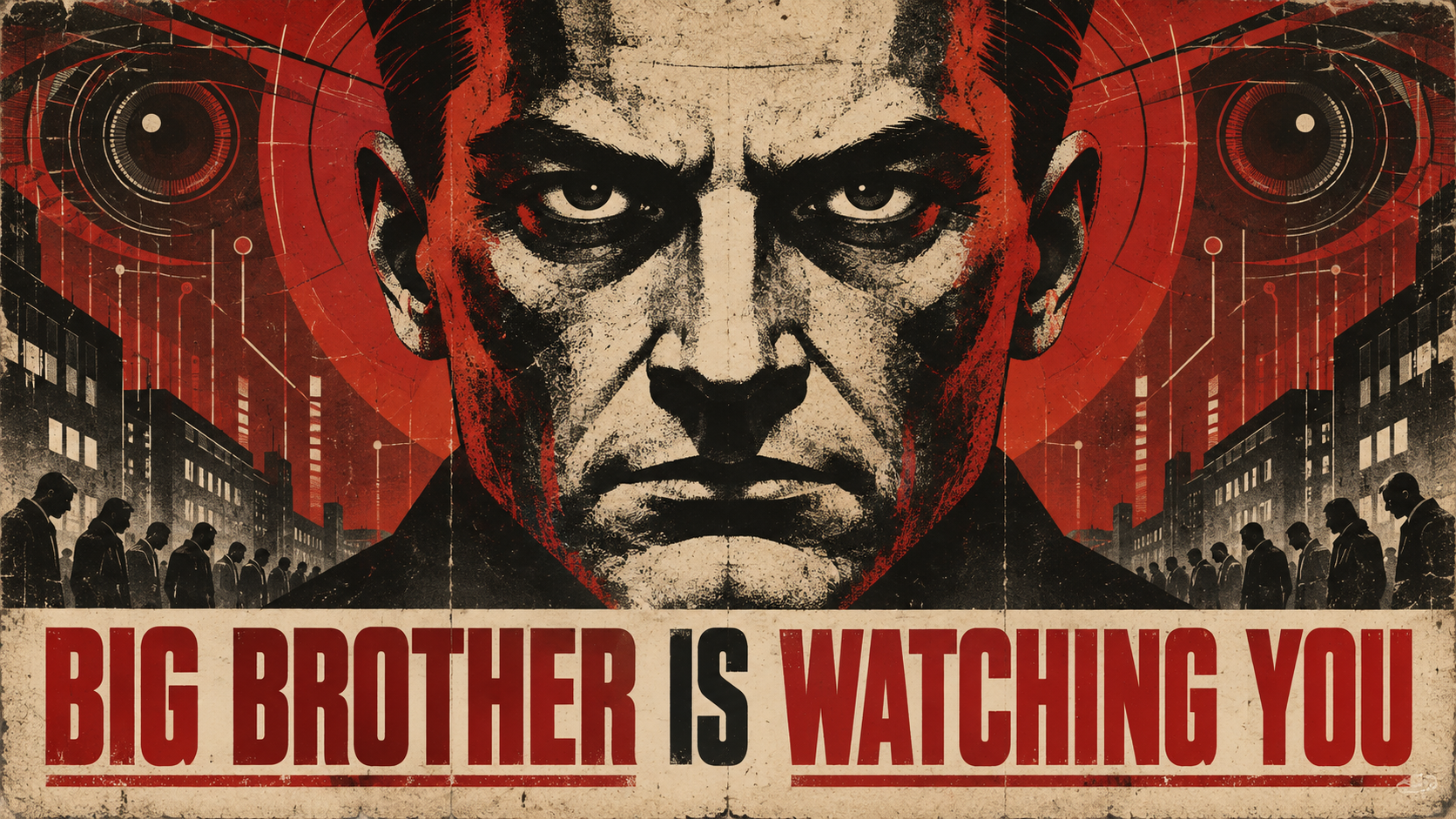
And one of the first things some leaders have decided to do with it is watch their employees more closely.
According to The Guardian, instructors at the technology training company Multiverse are having their online teaching sessions transcribed, analyzed, and scored by AI.
The system reportedly assigns instructors a risk status and confidence score. It can flag them for using too many filler phrases, failing to resolve a technical interruption quickly enough, giving an uncertain answer, or spending too much time responding to one learner.
Teachers who were previously observed by a human manager approximately once a month can now be monitored by AI for several hours each day.
That is not simply a technology decision. It is a management philosophy expressed through technology.
Multiverse says managers still make performance decisions and the AI merely directs their attention. But if the system assigns the risk label, selects the evidence, and tells the manager where to look, it is already shaping the judgment.
Worse, it may be changing the work itself.
Teachers told The Guardian that they are becoming preoccupied with what the AI might flag. Instead of concentrating fully on their students, they are thinking about whether they used the wrong phrase, spent too long answering a question, or departed too far from the expected script.
A good teacher does not simply deliver approved words in the approved order. Teaching requires judgment. It means recognizing confusion, answering unexpected questions, changing an explanation that is not working, and sometimes abandoning the planned route to help a student understand.
Those behaviors may look inefficient to a system searching for standardization. To a student, they may be the difference between hearing the material and actually learning it.
When people know they are under continuous scrutiny, they adapt. They become more cautious, take fewer risks, and learn to satisfy the measurement rather than achieve the outcome it was supposed to support.
The dashboard may improve while the work gets worse.
One detail makes this especially troubling. The UK education inspectorate Ofsted reportedly found that Multiverse fell short of expected standards in several areas while also describing its instructors as skilled and effective teachers.
If the instructors are effective but the organization has broader performance problems, why is the response to monitor the instructors more aggressively?
Why not use AI to improve the curriculum, strengthen teaching materials, identify recurring learner difficulties, or remove the administrative barriers surrounding the classroom?
Why assume the employee is the problem before examining the system in which the employee works?
AI did not make that choice. Leaders did.
Give AI to leaders who fundamentally distrust employees, and they will build a more efficient surveillance system. Give it to leaders who see employees as capable partners, and they can use it to remove obstacles, share effective practices, strengthen decision-making, and help people improve.
Trust does not mean abandoning standards or accountability. It means employees understand what is being measured, can see and challenge the information collected about them, and have a voice in how the technology is used.
An AI-supported teaching system could provide instructors with private coaching before labeling them as risks. It could identify weaknesses in course materials and focus on whether students understand, retain, and apply what they learn.
That would still be accountability. It would simply be designed to improve performance rather than enforce compliance.
Every leader now faces a choice.
Will you use AI to create better products, better work, and better experiences for customers and employees?
Or will you use one of the most consequential technologies of our lifetime to reinforce an old management model in which leadership watches and controls while employees learn to satisfy the metric?
AI gives us an opportunity to move beyond industrialized thinking. If leaders bring the same distrust, hierarchy, and obsession with control to the technology, they will not build the workplace of the future.
They will simply build a more efficient version of the past.